How to fix bathtub faucet diverter
Valentin Builders has expert advice on how to fix bathtub faucet diverter. This step-by-step repair guide will help you fix leaks, restore water flow, and raise shower pressure.

An important yet small component of your bathtub faucet is the diverter. It decides whether water goes into your tub spout or up into your showerhead. You may quickly transition between a peaceful bath and a refreshing shower when it works right. If the diverter stops working, you might notice water spilling from the tub spout while the shower is on, experience insufficient water pressure, or have trouble switching modes. We often see clients at Valentin Builders who are having problems with their diverters. Fortunately, you can repair many of these issues without needing to replace the entire faucet assembly.
You need to know how it works, figure out what’s wrong, and follow a step-by-step repair process to fix a bathtub faucet diverter. Valentin Builders is here to help you get your bathtub working again.
Knowing the Bathtub Diverter
The diverter is a valve that is either inside the tub spout or behind the faucet controls. When you pull a lever, push a button, or turn a knob, it sends water from the tub spout to the showerhead. This process depends on the style of your faucet. Over time, mineral buildup, worn-out seals, or broken internal parts might stop the diverter from sealing properly. This diverting device can let water flow to both the tub and the shower at the same time. The process not only wastes water, but it also lowers the water pressure in your shower.
Valentin Builders tells homeowners that there are three major types of diverters: the tub spout diverter, the three-valve diverter, and the two-valve diverter. Although all diverters serve the same purpose of directing water flow, they operate in different ways. Before you try to fix something, it’s important to know what type it is.
When to Fix Your Diverter
It’s usually easy to tell when the diverter on the bathtub faucet stops working. You might notice that the water keeps running from the tub spout even while the shower is on. This issue makes it difficult to have a relaxing shower. The knob, lever, or handle that controls the diverter can also seem loose, jammed, or too stiff. Another common problem is that the water doesn’t flow evenly. For example, the showerhead may not have enough pressure while the tub spout is leaking at the same time. Valentin Builders says you should take care of these problems right away because a broken diverter can make your water costs go up and wear out your plumbing system faster.
How to fix bathtub faucet diverter
Getting Ready for the Repair
Before you start fixing things, you need to get the right tools and cut off the water to your bathroom. Valentin Builders says that while many diverter repairs may be done without cutting off the main water line, it’s best to do so to minimize unexpected water bursts during the repair. You will usually require plumber’s oil, Teflon tape, an adjustable wrench, a set of screwdrivers, and a new diverter or diverter parts that fit your faucet model perfectly. Taking the old diverter to the hardware store is always the best method to get the right one.
Cover the drain with a cloth to keep small screws or washers from dropping in once you have all the tools and supplies you need. Valentin Builders stresses getting ready since it makes things go more smoothly and lowers the chance of missing critical parts.
Taking Off the Old Diverter
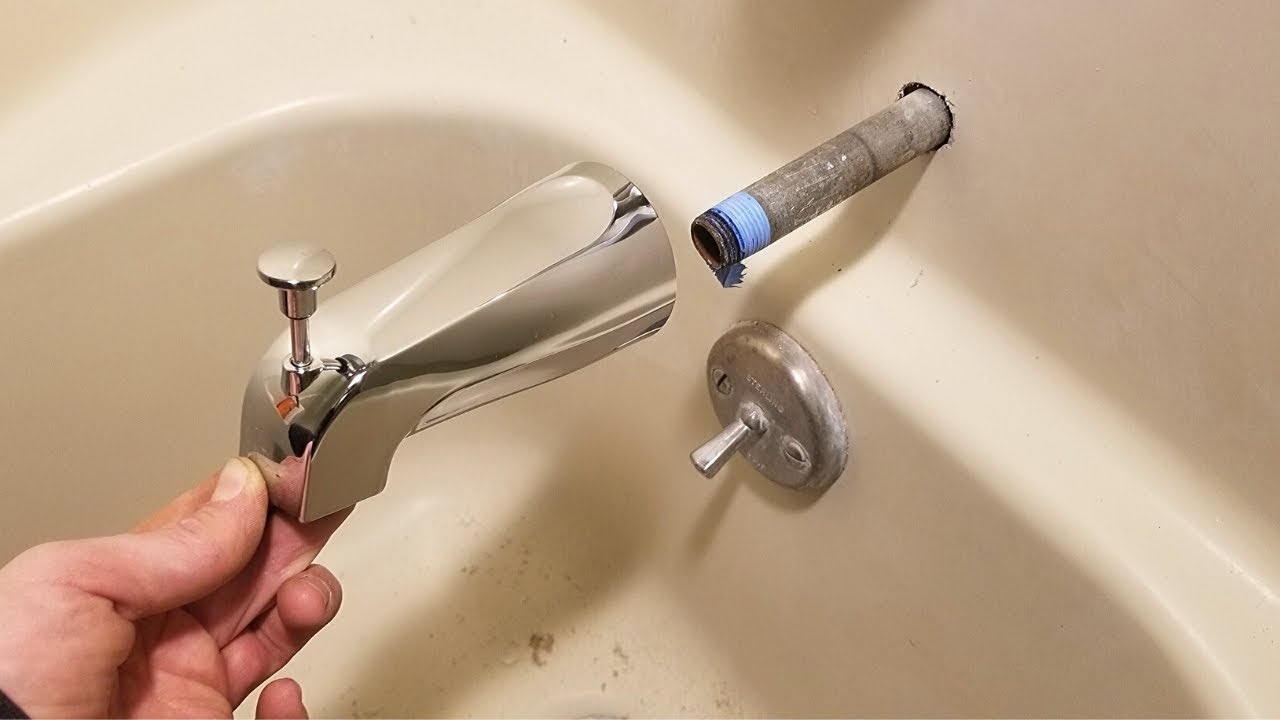
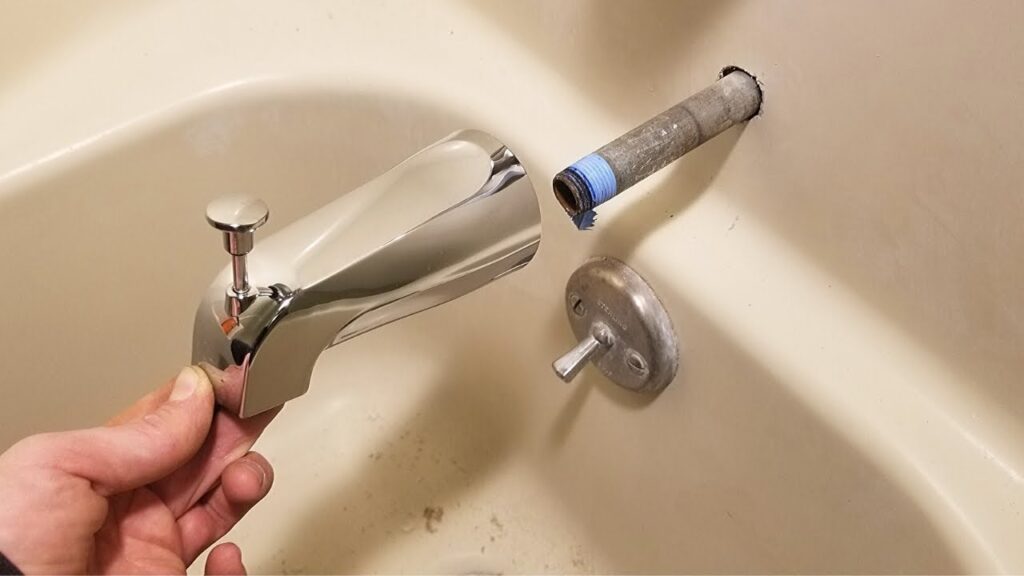
The way to take out the diverter depends on what kind of faucet you have. To change the tub spout diverter, you usually have to take off the whole spout. If your spout is screwed on, use a wrench to turn it counterclockwise, but be careful not to scratch the finish. Some spouts have a set screw under them that holds them in place. To get the spout off, use an Allen wrench to loosen the screw. You can either fix or replace the diverter mechanism that is inside.
To get to the internal diverter stem on a three-valve or two-valve diverter, you have to take off the handle and faceplate. Valentin Builders says to take your time so you don’t break any decorative pieces, especially if your faucet is vintage or bespoke. Once you can see it, use the right wrench to loosen the diverter stem or cartridge and take it out of the valve body.
Checking and cleaning the diverter
When you take the diverter out, look at it closely. Check for cracks, worn washers, or mineral buildup that could be keeping the seal from working. The diverter doesn’t always need to be replaced; sometimes it just needs to be cleaned. Valentin Builders often uses vinegar to get rid of tough calcium deposits before washing the part well. You should replace the washers or seals right away if they are broken so that everything works again. If the diverter body exhibits damage or severe rust, it is advisable to replace it entirely.
Putting in the new or fixed diverter
Wrap the threads with Teflon tape before putting the new or cleaned diverter back in place to make sure it fits without leaking. Put a thin layer of plumber’s grease on moving parts to help them work better. Depending on Depending on the style of faucet you have, either slide or screw the diverter back into the valve body or spout. Then, make sure it is tight but not too tight. Valentin Builders makes a big deal out of this process since too much force might break sensitive pieces or tear threads.
If you have a tub spout diverter, screw the spout back on or tighten the set screw. For handle-based diverters, put the faceplate and handle back on, making sure that all the screws are tight and that the handle moves freely.
Checking the Diverter
Once the diverter is in place, turn the water back on and check the faucet. Fill the tub with water, then turn on the diverter to see if the flow changes completely to the showerhead. When the shower is on, the water should stop coming out of the tub spout. Valentin Builders says you should test both hot and cold water to make sure the diverter works at different pressures. If water is still leaking from the tub spout, it could be because the diverter isn’t installed correctly or the internal valve is broken.
When to Get Help
You can fix many diverter problems yourself, but occasionally it’s preferable to call a pro. If the diverter is stuck and can’t be taken out without breaking the faucet, or if you find a lot of rust inside the valve body, a certified plumber can provide you a better and longer-lasting fix. Valentin Builders has a lot of expertise fixing bathroom faucets, and they can swiftly find and cure even the most persistent diverter problems, so your bathroom will be back to full use without any additional delays.
Taking Care of Your Bathtub Faucet Diverter
Keeping your diverter clean and working is vital to avoid difficulties in the future. Instead of forcing it, turn it on and off gently. Furthermore, check for mineral buildup that could get in the way of its movement from time to time. Valentin Builders also suggests using both the tub and shower modes occasionally to protect the mechanism from getting stuck if it is not used often enough. A well-maintained diverter can endure for years before requiring repair or replacement.
Being able to fix a bathtub faucet diverter is a useful skill that can save you money, stop water from going to waste, and keep your bathroom running properly. You can resolve most problems with your faucet without having to buy a new one if you know what kind of diverter you have, have the necessary tools, and follow a clear repair process. Valentin Builders is proud to assist homeowners in keeping their bathrooms in excellent shape, and with our expertise, you can confidently do this repair. The most important thing is to solve the problem fast so that it doesn’t get worse later on, whether you do it yourself or hire our professional staff.